Cover
p. 1
September 20, 2026•2 min read
The court is the city
Dink Digest maps the people, places, matches, and ideas making U.S. pickleball feel bigger than a scoreline.
Src: Carvana PPA TourRead story
110 source-linked articles extracted from the September 2026 / NY + L.A. Edition. Filter by municipal desk, professional tour, senior circuit, or equipment laboratory.
Dink Digest maps the people, places, matches, and ideas making U.S. pickleball feel bigger than a scoreline.
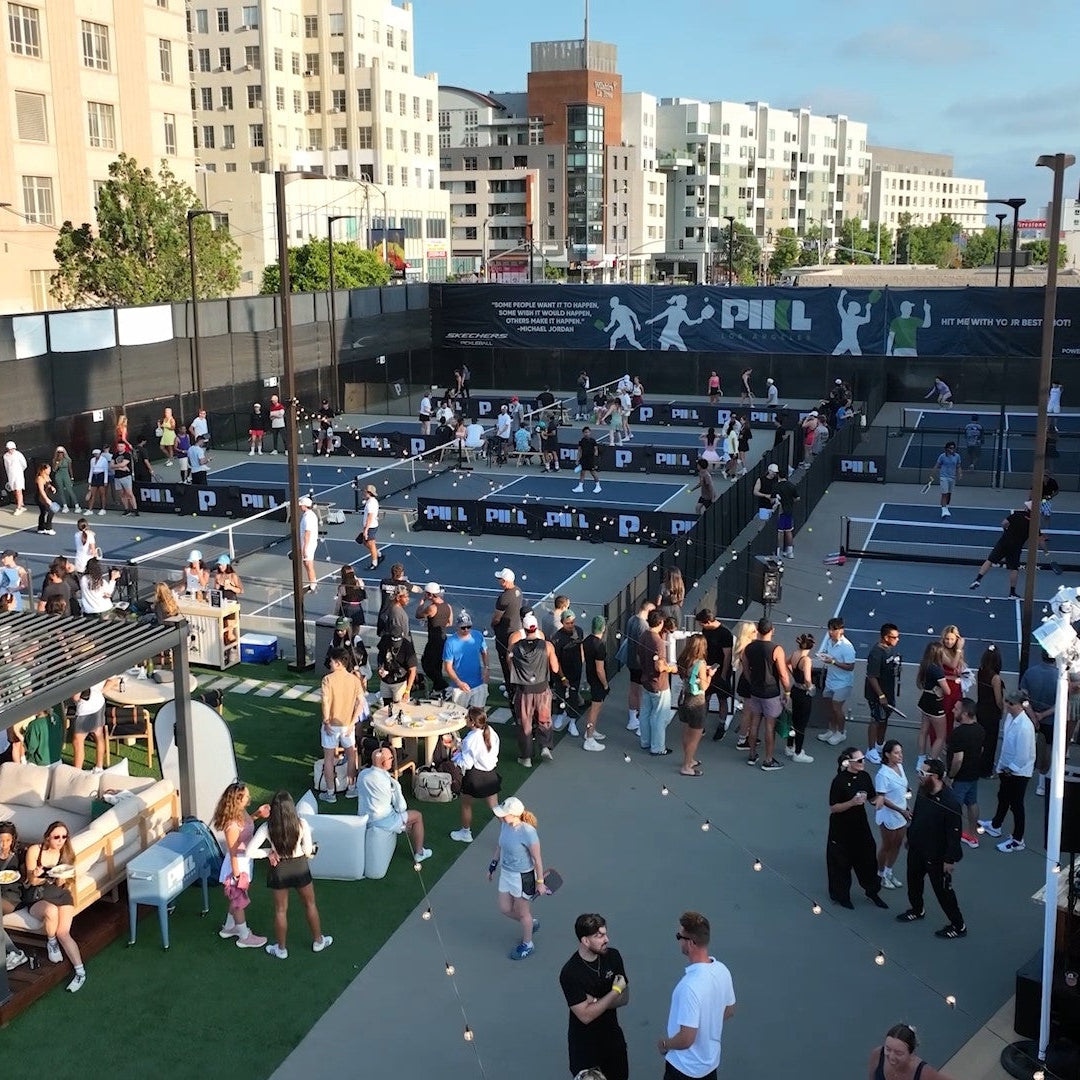
Arizona is the national stage. Long Beach is the Southern California heartbeat. LA keeps inventing new ways to stay after the match.
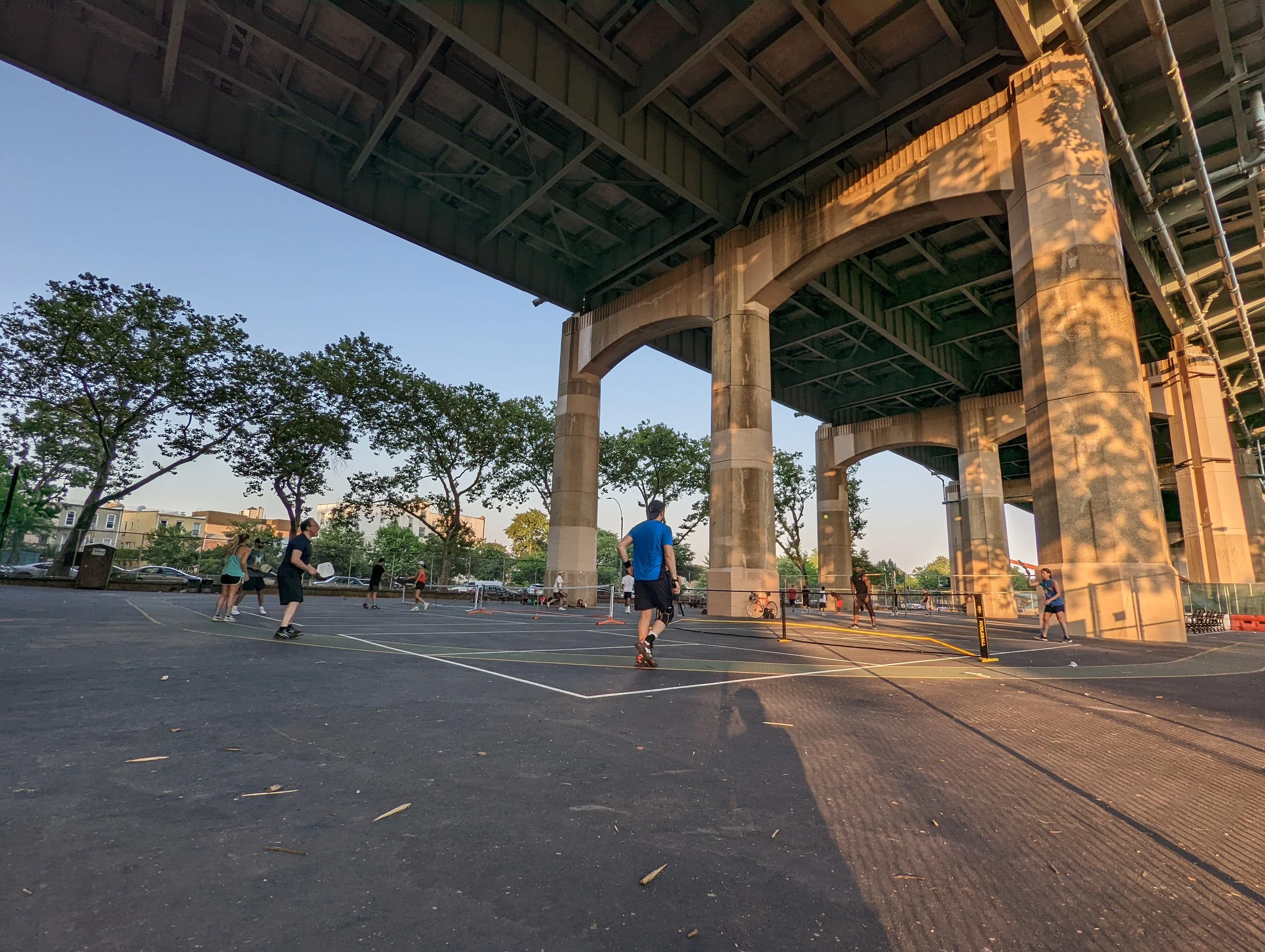
Start with the rooms, roofs, parks, and thresholds that make a first game feel possible.

A practical desk for players who want to turn a magazine read into a court plan.
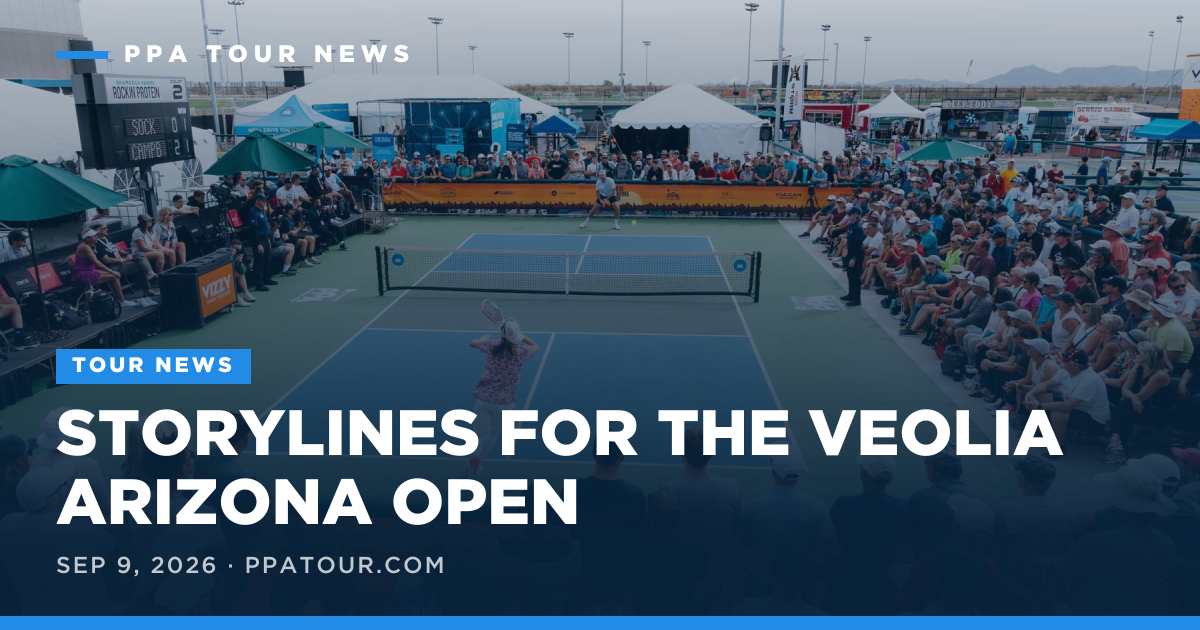
The Veolia Arizona Open in Mesa is the first open of the new PPA season, with the top four in each draw receiving round-of-16 byes through the new World Pickleball Rankings system.
Ben Johns and Federico Staksrud’s first partnership met Nico Acevedo and Yuta Funemizu — and the new duo went home early.
On semifinal Saturday, the PPA newsroom identified Alshon as the only player alive in singles, mixed doubles, and gender doubles.
The USAP Long Beach Championships land in Southern California with age, DUPR, and master’s formats in the draw.
Weekly round robins, exploding ladders, monthly standings, and quarterly tournaments give LA players a reason to return.
Dink Digest’s editorial player of the week is a time-stamped recognition based on the PPA semifinal watchlist, not an official award.
The current PPA World Pickleball Rankings list Waters first among women, while the September story arc tracks her pursuit of another title milestone.
A women’s desk that looks beyond one name: Bright’s two-title national-championship weekend is the month’s cleanest form signal.
PPA coverage says Six Zero signed 16-year-old Cailyn Campbell, while the junior rankings show a deep under-18 field rather than one token prodigy.
The junior PPA page lists George Wolf first in boys singles 18U, with Soli Mosseri and Francis Chi next in the captured top 25.
A PPA rally recap turns Ben Johns’s third-shot drive and fifth-shot drop into a film-room prompt—not a universal rule.
JOOLA’s public pickleball catalog spans pro, performance, recreational, bags, apparel, shoes, nets, and accessories.
JOOLA’s HC-40 was announced as the official ball of DUPR; a ball page belongs in the issue because clubs feel consistency before they feel branding.
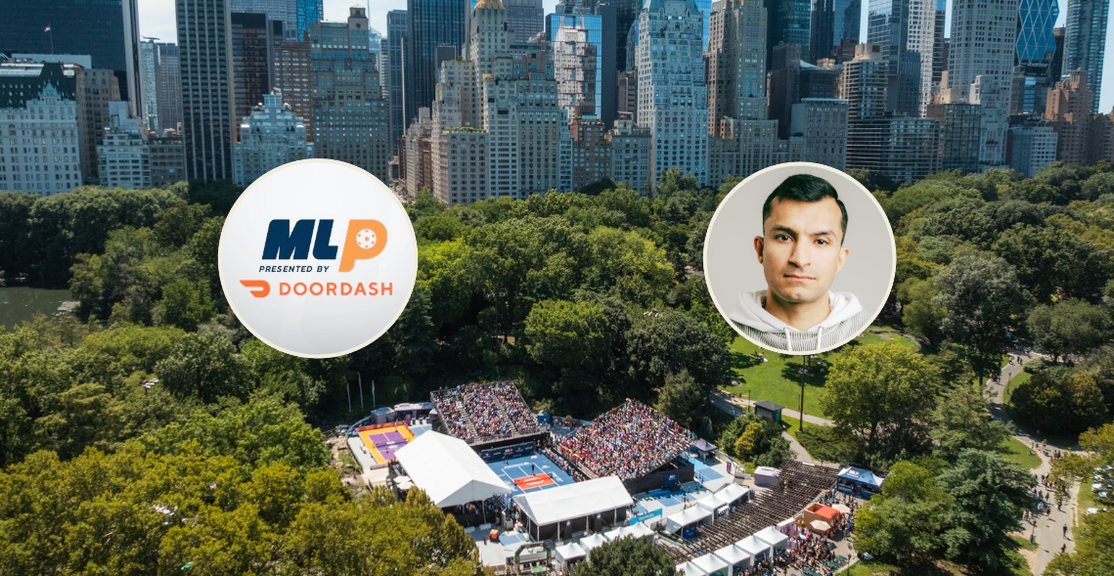
Oceanview, Opendoor, Carvana, and DoorDash show how pickleball sponsorship now spans title rights, league naming, and event platforms.
A proposed recurring page for paddles, balls, and the people learning to choose them. Concept only; no booking, outreach, or logo clearance.
A delivery brand could own the moment after play, but a plausible fit is not a public partnership.
DePuy Synthes is a public USA Pickleball orthopaedics sponsor; Numotion is visible in the adaptive partnership index. Neither is a Dink Digest booking.
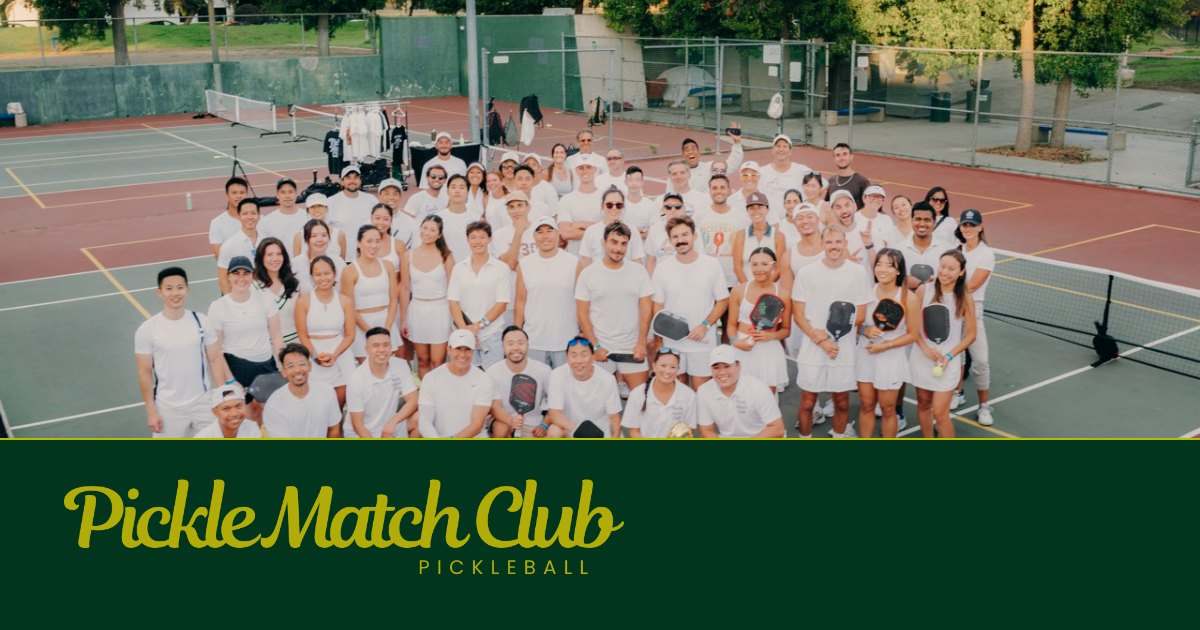
A real team crowd makes the sponsor question concrete: food, hydration, awards, photography, and a player bag should make the day easier—not just louder.
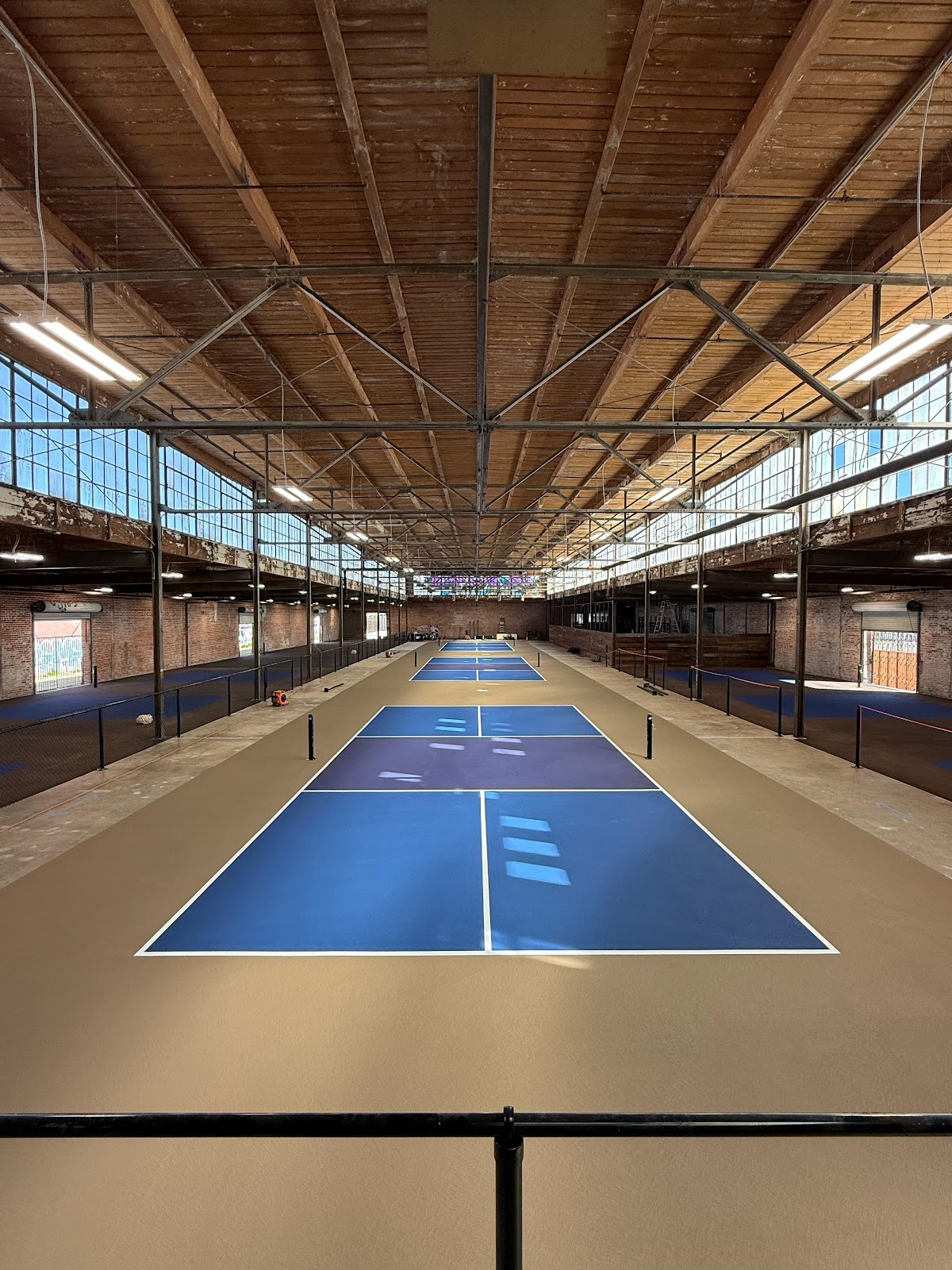
Fourteen indoor and outdoor courts, a 2,800-square-foot gym, recovery space, coaching, and social play give the Arts District venue a strong club story.
LA City Parks highlights Balboa Sportscenter with eight dedicated courts and frames new construction as a balance between access and existing tennis needs.
Brentwood, Jonathan Club, Griffin Club, and Hillcrest appear on the West LA Pickleball Cup public team page with coaches and club addresses.
LA Pickle Club publishes two locations and a daily-events frame for players across the west and central parts of the city.
The West LA Cup page names Riza Zalameda, Michael Schwartz, Cari Buck, and Alika Pico as club coaches.
A senior-friendly class can be clearer, calmer, and more social without being less serious.
Public-health guidance supports regular activity for older adults, but a magazine should keep its claim modest and its invitation practical.
USA Pickleball’s partnership index and adaptive programming point toward a bigger editorial lane: show how people enter the game, not just who wins it.
USA Pickleball’s junior structure uses 12U, 13–14, and 15–16 divisions, with singles and doubles lanes.
The club calendar is where the pro women’s story becomes a weekly behavior.
Mahjong in the Sun describes a social complement to pickleball, with the same basic promise: skill, style, and connection.
Rhythm & Rally positions LA pickleball as a DJ-led jam: drink, dance, and play, with all levels welcome.
Food and drink can extend a club experience, but they should not quietly become the only way to belong.
The best clubs reduce uncertainty before they add intensity.
Attendance is useful. Return rate, first-time welcome, wait time, and correction speed are more actionable.
LA City Parks explicitly frames pickleball growth alongside tennis, access, maintenance, and community engagement.
USA Pickleball’s 2025 annual report lists 18,258 places to play and 82,613 courts in the Pickleheads database.
The 2026 Oceanview USA Pickleball National Championships are scheduled for October 31–November 8 at Barnes Tennis Center in San Diego.
The 2026 Pickleball World Championships are scheduled for October 30–November 8 at Brookhaven Country Club in Farmers Branch, Texas.
The PPA schedule points to Las Vegas, Chicago, Virginia Beach, Dallas, Daytona Beach, and Malibu as the next major story stops.
The PPA’s new World Pickleball Rankings decide early byes at the Arizona Open; the reader’s job is to ask what the number measures.
A hydration station, court-side shade, junior equipment, awards, or a ride home has more editorial integrity than a floating logo.
One title page, one gear page, one social page, one community utility page, and one event partner page create a repeatable sponsorship cadence.
Jev’s job in this issue is advisory: classify supplied candidates into KEEP, HOLD, DUPLICATE, OUT_OF_SCOPE, or NEEDS_VERIFICATION.
Ten cached source images make the issue feel like a magazine; provenance makes it honest.
This first Dink Digest proves the frame. The next issue should earn the detail from clubs, coaches, and players who opt in.
The equipment story is not just a product wall: it is the net, the carry, the grip, and the small choices that shape a session.
Hunter’s Point gives older adults a repeatable Wednesday entry point instead of a one-off open play.
Major R. Owens becomes a first step for players who need a named place, level, and start date.
Fourteen outdoor courts turn a seasonal public site into a destination with a logistics problem.
Four dedicated courts, permanent nets, and lights make access clear; the next question is how open play stays legible.
Five dedicated courts are a useful capacity fact, but a route still depends on rotation, nets, and the people already there.
Two dedicated courts, beginner lessons, and supplied paddles create an unusually clear first-visit proposition.
The city’s official program frames growth as access plus a balanced relationship with tennis.
West Hollywood’s Plummer Park agenda turns pickleball into a public-process story with a named council sponsor.
Eight dedicated courts are a better lead than an abstract growth statistic.
The launch checklist is maintenance, rotation, lighting, safety, and a public answer to “how do I get on?”
The Fall–Winter 2026 season gives Division 1 and Division 2 separate routes to a championship.
Griffin Club keeps recurring drop-in on the calendar, turning a venue into a weekly habit.
Professional image selection means relevance, context, and a caption that does not pretend the photo proves more than it does.
A club earns loyalty by making the first five minutes feel legible.
This month’s club board is a transparent editorial index, not an official national ranking.
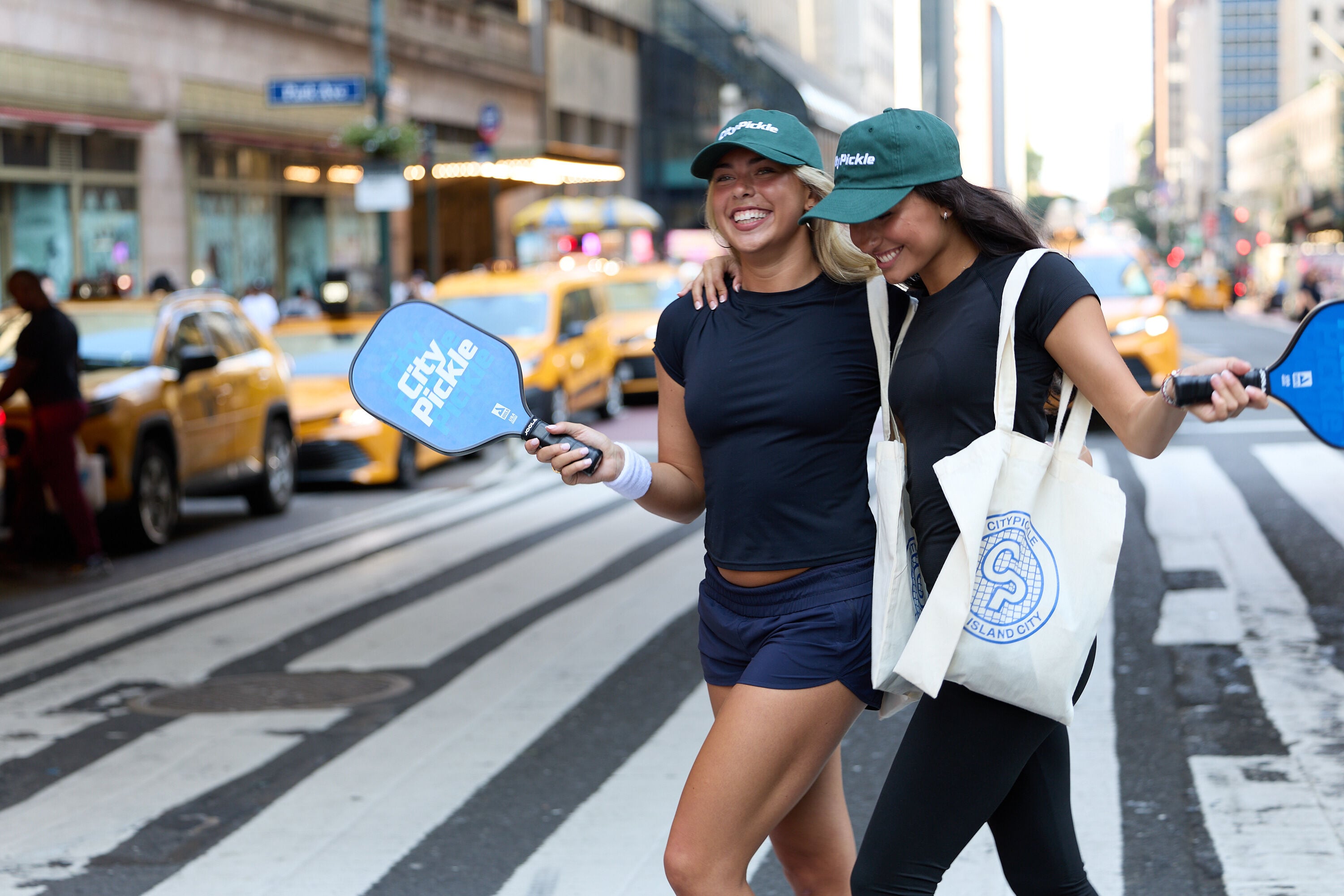
A public multi-location footprint, varied programming, and partner architecture make CityPickle the current destination benchmark.
A weekly calendar can be more powerful than a giant facility.
Pickle Alley, LA Pickle Club, and local organizers make the city feel like a network of formats.
Club leadership is logistics, welcome, and conflict repair as much as it is a paddle or a podium.
Pickleball Union’s expert roster shows how the category is broadening from pro instruction to training, coaching, and physical preparation.
The fastest way to make a class feel professional is to remove the opening uncertainty.
Comparable pickleball media now treats injury prevention as a core desk, not an occasional warning box.
A senior-friendly magazine can talk about recovery without turning play into a medicalized lifestyle brand.
Age divisions, adaptive play, and reliable access deserve the same editorial weight as pro headlines.
Pro rankings, club sessions, coaching, and leadership should share the same page.
A junior feature needs age context, coaching, school, safety, and a next step.
A number can help a player find a match; it cannot explain an entire person or club.
DUPR’s dated top table puts Ben Johns first in the captured men’s view; the snapshot belongs beside its date and provider.
The leaderboard page becomes useful when it teaches readers why the numbers disagree.
A strong schedule page lets players choose a weekend before the bracket fills.
Long Beach, South Pasadena, Thousand Oaks, and local ladders do not belong in one undifferentiated list.
An urban event guide should treat transit and court access as part of the bracket.
Title sponsorship, qualification, age divisions, and local prep turn a national event into a club conversation.
MLP and minor-league formats give club players a way to root for a roster, not only a singles name.
The public systems in this issue are DUPR, PPA points, USA Pickleball ranking guidance, and UTR Sports / UTR-P references—not an invented CUPR table.
Pickleball humor works when it is affectionate, specific, and recognizable to the people who waited for a court.
A recurring original mascot gives Dink Digest a visual signature without borrowing a club’s logo.
The best funny scene is a tiny truth: a missing ball, a mystery partner, a score nobody remembers.
The social sport is borrowing rituals from other social sports, and that is the story.
Rhythm & Rally shows how music, food, and play can create a night that is bigger than a lesson.
Food and beverage are not decorative extras when clubs use them to make an event feel complete.
The global desk follows the game beyond U.S. borders: tournament, resort, city, and one detail worth remembering.
JOOLA, Selkirk, Franklin, and other brands belong in a buying guide only when the questions are visible.
On and other footwear brands fit the category, but fit is not the same thing as sponsorship.
Alo, lululemon, Centerline, and CityPickle’s own partner model show how apparel can sit between performance and identity.
Five sponsor types create a useful commercial map without turning the issue into a logo wall.
A title card is easy to sell and easy to overuse. Utility is harder—and more defensible.
October should bring fresh court openings, verified tournament results, more neighborhood reporting, and player-submitted scenes.
The HPA September tournament turns a neighborhood court into a date, a format, and a route to enter.
Road to Minors connects local tournament play with a developing team identity.
The NYC league page is not one ladder; it is a weekly grid across level, age, and borough.
A California identity can travel even when the season’s fixtures do not.
A court closure is part of the player experience when the notice names the work and the reopening path.
The public record moves from a council directive to implementation, resurfacing, and communication.
A practical local listing can say what is available and what is not.
The New York City Council’s Fiscal 2026 schedule names instruction, clinics, tournaments, and prizes in a district allocation.
A weekly show can turn a tournament calendar into a conversation about people, tactics, money, and culture.
Big Dink Energy gives the issue permission to be funny without making the players the punchline.
The SoCal calendar is most useful when it helps a player choose the next event, not when it becomes a wall of dates.
The next desk will follow results, court reopening, club leaders, and the people who keep showing up.